
 English
 Español
 عربى
عربى
Home Scent Reed Diffusers: What Affects Scent Longevity? How to Choose Reed Material?
Content
What Core Factors Influence the Scent Longevity of Home Scent Reed Diffusers?
The scent longevity of home scent reed diffusers—typically measured by how long the fragrance remains noticeable (usually 4-12 weeks under normal use)—depends on the interaction between the diffuser’s components and the surrounding environment. Understanding these factors helps avoid premature fragrance fading and ensures consistent aroma release.
1. Formulation of the Scented Liquid (Fragrance Oil + Base)
The composition of the scented liquid is the foundational factor affecting longevity. Two key components determine how long the fragrance lasts:
- Fragrance Oil Concentration: Higher concentrations of pure fragrance oil (not diluted with excessive solvents) extend longevity. For example, a diffuser with 20-30% fragrance oil content can last 8-12 weeks, while one with only 5-10% may fade in 4-6 weeks. Low-quality diffusers often use more alcohol or water as diluents, which evaporate quickly and reduce the fragrance’s staying power.
- Base Oil Viscosity: The base oil (e.g., mineral oil, jojoba oil, propylene glycol) carries the fragrance oil and controls evaporation rate. High-viscosity oils (e.g., jojoba oil) slow down evaporation, keeping the scent consistent for longer—they can extend longevity by 30% compared to low-viscosity bases like alcohol. However, overly thick bases may clog the reeds, so a balance (viscosity of 100-200 cSt at 25°C) is ideal.
2. Environmental Conditions: Temperature, Humidity, and Airflow
Environmental factors directly accelerate or slow the evaporation of the scented liquid, significantly impacting longevity:
- Temperature: High temperatures (above 25°C, e.g., near radiators, windows with direct sunlight) increase the evaporation rate of the scented liquid. A diffuser placed in a warm room may lose fragrance 20-40% faster than one in a cool room (18-22°C). For example, a diffuser that lasts 10 weeks in an air-conditioned living room might only last 6 weeks in a sunlit bedroom.
- Humidity: Low humidity (below 40%, e.g., during winter heating) causes the scented liquid to evaporate more quickly, as dry air pulls moisture and volatile fragrance compounds from the reeds. Conversely, excessive humidity (above 70%, e.g., bathrooms without ventilation) can cause the reeds to absorb too much liquid, leading to dripping and uneven fragrance release—though it may not shorten longevity, it wastes the scented liquid.
- Airflow: Strong airflow (e.g., near ceiling fans, open windows, air vents) disperses fragrance molecules rapidly, accelerating the depletion of the scented liquid. A diffuser in a drafty hallway may last 30% less time than one in a still room (e.g., a closed bedroom). Even subtle airflow, like from a nearby computer fan, can reduce longevity over time.
3. Reed Quantity, Length, and Placement
The number and size of reeds determine how much scented liquid is absorbed and released, affecting both longevity and fragrance intensity:
- Reed Quantity: More reeds mean more surface area for absorption and evaporation. Using 6-8 reeds (standard for a 100ml diffuser) balances intensity and longevity—adding 10+ reeds can increase fragrance strength but reduce longevity by 20-25% (e.g., from 8 weeks to 6 weeks). Using fewer than 4 reeds may result in weak fragrance, even if the liquid lasts longer.
- Reed Length: Longer reeds (15-20cm for a 100ml bottle) absorb more liquid than shorter ones (10-12cm). While longer reeds release a more noticeable scent, they can speed up liquid depletion—shortening longevity by 15% compared to shorter reeds of the same material.
- Reed Immersion Depth: Reeds should be immersed 1/3 to 1/2 of their length in the scented liquid. Immersing too much (more than 2/3) increases absorption rate, leading to faster evaporation; immersing too little (less than 1/4) results in weak fragrance and uneven reed saturation.
4. Container Design and Seal Quality
The diffuser’s container affects how the scented liquid interacts with the air:
- Opening Size: A wide-mouth container (diameter >5cm) exposes more of the scented liquid surface to air, accelerating evaporation and reducing longevity by 15-20% compared to a narrow-mouth container (diameter <3cm).
- Seal When Not in Use: If the diffuser is not used for extended periods (e.g., during travel), a tight seal (e.g., the original cap) prevents the liquid from evaporating. Without a seal, the scented liquid can lose 10-15% of its volume in a month, significantly shortening its usable life once reeds are reinserted.
How to Choose the Right Reed Material for Home Scent Diffusers?
The reed material determines how effectively the scented liquid is absorbed and released, directly impacting fragrance intensity, consistency, and even the lifespan of the diffuser. Common materials include rattan, bamboo, wood, and synthetic fibers—each with distinct pros and cons.
1. Rattan Reeds: The Most Common Choice—What Makes Them Suitable?
Rattan is the industry standard for reed diffusers, thanks to its natural porous structure and balanced performance:
- Absorption and Release: Rattan has tiny, interconnected pores that draw the scented liquid upward through capillary action and release it slowly into the air. It provides consistent fragrance release—no sudden bursts or weak spots—making it ideal for most home environments (living rooms, bedrooms).
- Longevity Compatibility: Rattan’s moderate absorption rate pairs well with most scented liquid formulations (mineral oil, jojoba oil bases), ensuring the diffuser lasts 8-10 weeks (for 100ml liquid) without premature clogging.
- Pros: Affordable, widely available, compatible with all fragrance types (floral, woody, citrus), and easy to trim to fit different container heights.
- Cons: Not waterproof—excessive moisture (e.g., bathroom steam) can cause the reeds to swell and clog, reducing fragrance release. Low-quality rattan may have uneven pores, leading to inconsistent scent.
- Best For: General home use, especially in dry to moderately humid rooms (living rooms, bedrooms, home offices) where consistent fragrance is a priority.
2. Bamboo Reeds: Sturdier but Less Porous—When to Choose Them?
Bamboo reeds are denser and sturdier than rattan, but their structure affects absorption:
- Absorption and Release: Bamboo has fewer and smaller pores than rattan, so it absorbs and releases the scented liquid more slowly. This results in a milder fragrance intensity but can extend the diffuser’s life by 10-15% (e.g., from 8 weeks to 9 weeks for 100ml liquid).
- Durability: Bamboo is resistant to swelling and bending, making it suitable for humid environments (e.g., bathrooms, kitchens) where rattan might clog. It also holds its shape better if accidentally knocked.
- Pros: Sturdy, moisture-resistant, long-lasting, and works well with thick, high-viscosity scented liquids (e.g., jojoba oil bases).
- Cons: Fragrance intensity is lower—may not be strong enough for large rooms (over 20㎡). Dense structure can struggle with low-viscosity liquids (e.g., alcohol-based), leading to uneven release.
- Best For: Humid rooms (bathrooms, kitchens), small spaces (powder rooms, closets), or users who prefer a subtle, long-lasting fragrance.
3. Wood Reeds (Pine, Cedar): Fragrance-Enhancing but Specialized—Are They Right?
Wood reeds (often made from pine, cedar, or sandalwood) add a natural woody note to the fragrance but have specific limitations:
- Absorption and Release: Softwoods like pine have porous structures similar to rattan but may interact with the fragrance—cedar, for example, can enhance woody or earthy scents but may clash with citrus or floral notes. Hardwoods (e.g., oak) are too dense, resulting in poor absorption.
- Fragrance Interaction: The wood’s natural oils can mix with the scented liquid, altering the original fragrance. For example, pine reeds may add a subtle piney undertone to a lavender diffuser, which can be desirable or unwanted depending on preference.
- Pros: Adds a unique natural aroma, aesthetically pleasing (matches rustic or wooden decor), and biodegradable.
- Cons: Limited fragrance compatibility (best with woody, earthy scents), may alter the intended fragrance, and has a shorter lifespan (clogs faster than rattan—needs replacement every 4-6 weeks).
- Best For: Rustic-style homes, users who want to enhance woody/earthy fragrances, or small accent spaces (shelves, entryway tables).
4. Synthetic Fiber Reeds: Consistent but Less Natural—When Are They Useful?
Synthetic reeds (made from polyester or rayon fibers) are engineered for uniform performance:
- Absorption and Release: Synthetic fibers have evenly sized pores, ensuring consistent absorption and fragrance release—no variation between reeds. They work well with both low and high-viscosity scented liquids, making them versatile.
- Moisture Resistance: Unlike natural materials, synthetic reeds are waterproof and won’t swell or clog in humid environments (e.g., bathrooms, laundry rooms). They also don’t interact with fragrance oils, so the original scent remains unchanged.
- Pros: Consistent performance, moisture-resistant, long-lasting (no clogging), and compatible with all fragrance types.
- Cons: Less "natural" in appearance (may not match organic decor), and some low-quality synthetic reeds may have a plastic-like odor when first used (fades after 1-2 days).
- Best For: Humid rooms, modern-style homes, users who prioritize consistency over natural materials, or diffusers with bold, unaltered fragrances (e.g., citrus, fruity scents).
What Common Mistakes Reduce Scent Longevity or Ruin Reed Performance?
Avoiding these mistakes ensures your home scent reed diffuser performs optimally and lasts as long as possible:
1. Using the Wrong Number of Reeds
- Too Many Reeds: Adding 10+ reeds to a small (100ml) diffuser speeds up evaporation, reducing longevity by 20-25% and potentially making the fragrance overpowering.
- Too Few Reeds: Using 2-3 reeds results in weak, unnoticeable fragrance—even if the liquid lasts longer, it fails to serve its purpose. Stick to 6-8 reeds for 100ml, adjusting by ±2 based on room size.
2. Placing the Diffuser in Poor Locations
- Near Heat or Sunlight: Radiators, fireplaces, or sunlit windows increase evaporation—avoid these areas to prevent premature fading.
- In Drafty Spots: Ceiling fans, open windows, or air vents disperse fragrance too quickly. Place the diffuser in a still corner away from airflow.
- In Overly Humid Areas (for Rattan Reeds): Bathrooms with no ventilation or kitchens with constant steam cause rattan reeds to clog. Use bamboo or synthetic reeds here instead.
3. Neglecting Reed Maintenance
- Not Flipping Reeds: Flipping the reeds every 1-2 weeks (dipping the dry end into the liquid) refreshes fragrance release. Forgetting to flip leads to weak scent as the top ends dry out.
- Reusing Reeds with New Liquid: Old reeds may have residual fragrance from the previous liquid, causing scent mixing. They also clog over time, reducing absorption. Always use new reeds when refilling the diffuser.
- Trimming Reeds Incorrectly: Cutting reeds at an angle (instead of straight) can damage the porous structure, reducing absorption. Trim only the end that goes into the liquid, using sharp scissors for a clean cut.
4. Choosing Low-Quality Scented Liquid
- Overly Diluted Liquid: Liquid with more than 70% solvent (alcohol, water) evaporates quickly, shortening longevity. Look for products with 20-30% pure fragrance oil.
- Incompatible Base Oil: Using alcohol-based liquid with bamboo reeds (which prefer thick bases) leads to uneven release. Match the base oil to the reed material (e.g., mineral oil for rattan, jojoba oil for bamboo).
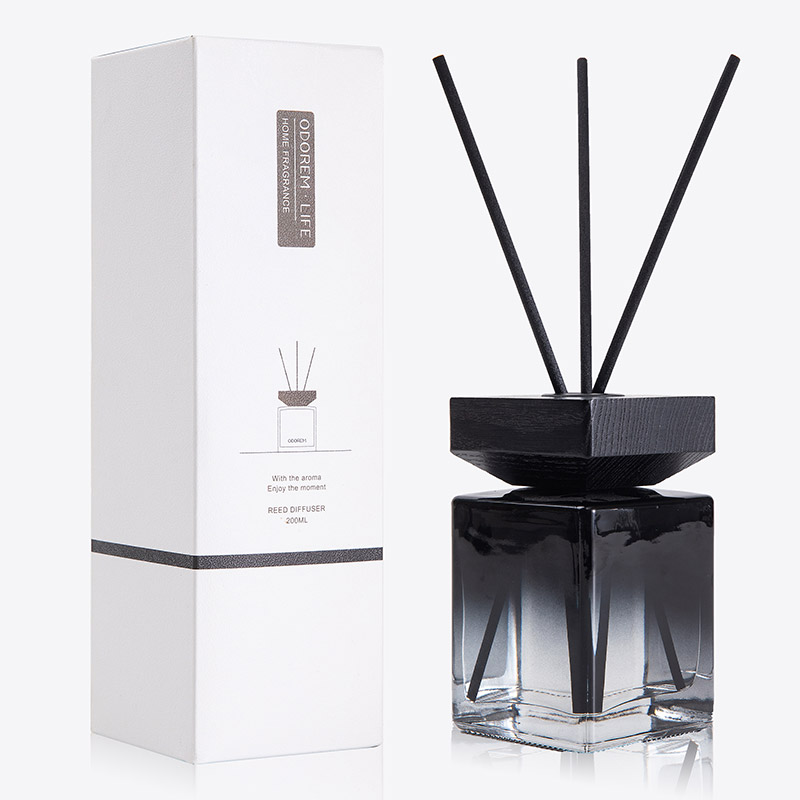
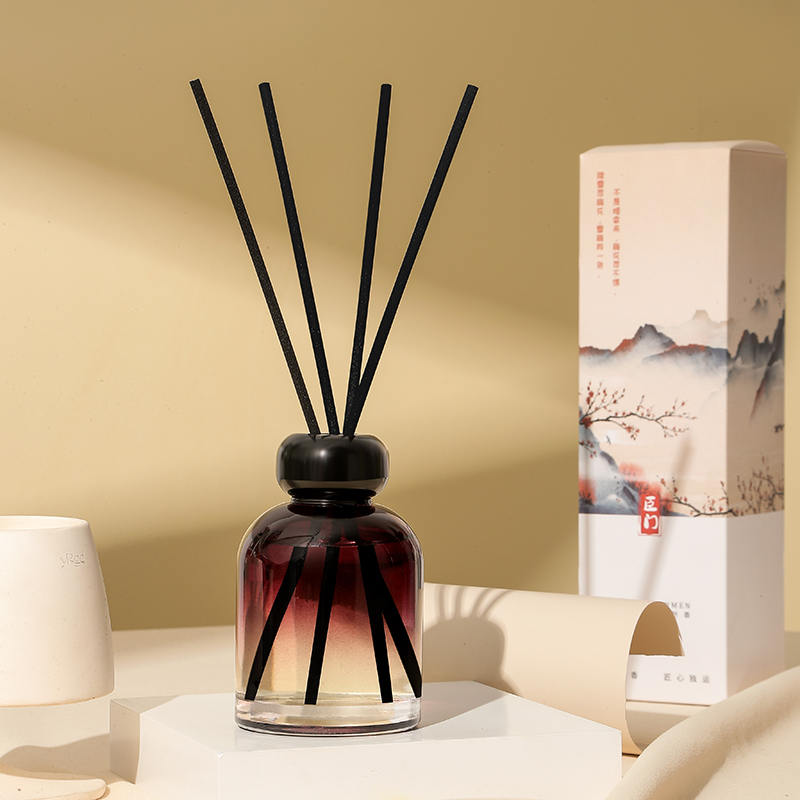
The scent longevity of home scent reed diffusers is primarily influenced by the scented liquid formulation (fragrance concentration, base oil viscosity), environmental conditions (temperature, humidity, airflow), and reed-related factors (quantity, length, placement). To maximize longevity, choose a high-concentration liquid with a medium-viscosity base, place the diffuser in a cool, still room, and use 6-8 reeds of the right length.
When selecting reed material, rattan is the best all-purpose choice for consistent, moderate fragrance; bamboo suits humid spaces and subtle scents; wood reeds enhance natural fragrances (with caution); and synthetic reeds offer uniformity and moisture resistance. By avoiding common mistakes—like poor placement or reusing reeds—you can ensure your diffuser provides a long-lasting, pleasant aroma that enhances your home environment.


 INTERACT WITH US
- Phone:+86-15888548612
- Tel:+86-0574-88408268
- E-mail:[email protected]
- Address:312 Kemao Road, Jishigang Town, Haishu District, Ningbo City, Zhejiang Province, China.



