
 English
 Español
 عربى
عربى
What Is a Reed Diffuser?
Content
The Definitive Answer
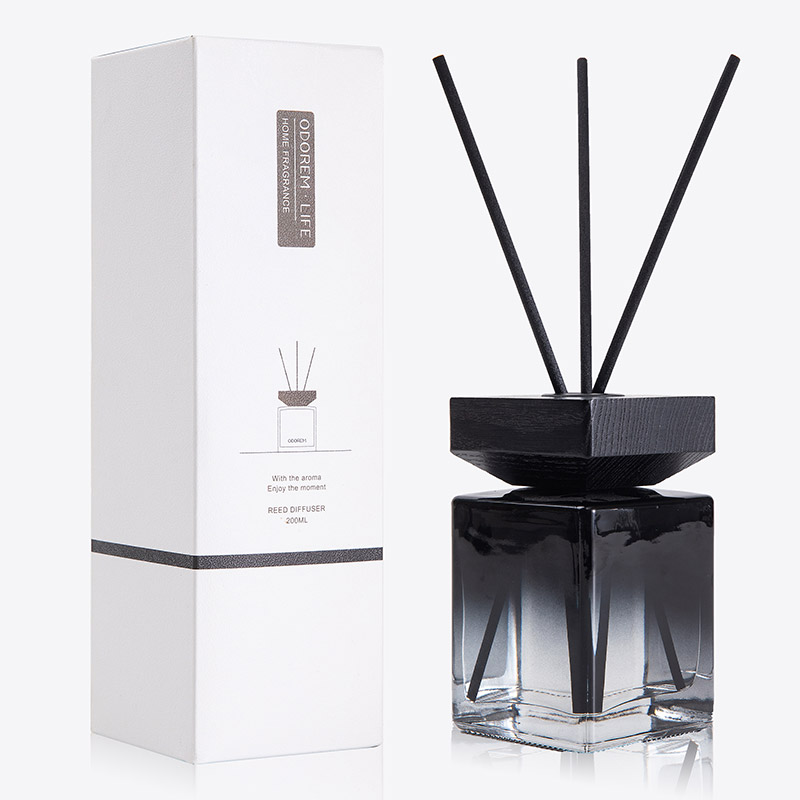
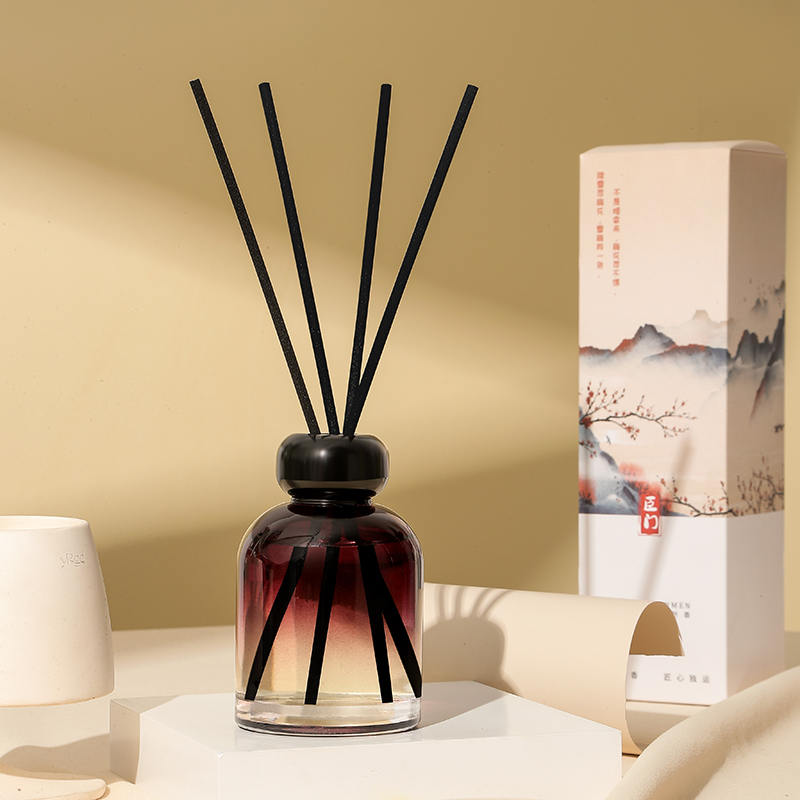
A reed diffuser is a passive home fragrance system that uses natural or synthetic rattan reeds to absorb scented oil from a vessel and release aroma into the air through evaporation. Unlike candles or plug-ins, reed diffusers require no heat, electricity, or flame, making them the safest continuous fragrance option for homes, offices, and hospitality spaces.
The mechanism is elegantly simple: 3mm–4mm diameter porous reeds contain approximately 20–30 channels per reed that act as mini straws, drawing oil upward via capillary action. Once the oil reaches the top, it evaporates into the surrounding air, creating a consistent scent throw of 4–6 feet in optimal conditions. A standard 100ml diffuser typically lasts 8–12 weeks, while larger 200ml versions can extend to 16–20 weeks.
How to Choose the Perfect Reed Diffuser: 5 Critical Factors
1. Reed Quality Determines Performance
Not all reeds are created equal. Premium rattan reeds sourced from Indonesia outperform synthetic polyester alternatives by 40% in absorption rate. Quality reeds should feel firm yet slightly flexible, with consistent channel density. Avoid reeds that feel plastic-like or hollow—they won't wick oil effectively. For maximum scent diffusion, use 6–10 reeds in a standard vessel; fewer reeds create subtler scent, while more reeds intensify fragrance but deplete oil faster.
2. Oil Base: Alcohol vs. Oil-Based Formulations
The carrier liquid significantly impacts longevity and scent quality:
| Base Type | Evaporation Rate | Scent Throw | Best For |
|---|---|---|---|
| Alcohol-based | Fast (4–6 weeks) | Strong, initial burst | Bathrooms, small spaces |
| DPM (Dipropylene Glycol) | Medium (8–10 weeks) | Moderate, consistent | Living rooms, offices |
| Natural oil (grapeseed/safflower) | Slow (12–16 weeks) | Subtle, long-lasting | Bedrooms, relaxation areas |
3. Room Size Compatibility
Matching diffuser capacity to room dimensions ensures optimal performance without overwhelming or underwhelming the space:
- 50–100ml: Perfect for spaces under 100 sq ft (bathrooms, entryways)
- 150–200ml: Ideal for 150–300 sq ft (bedrooms, home offices)
- 250ml+: Required for 400+ sq ft (open-plan living areas, lofts)
4. Scent Selection by Function
Scientific studies indicate specific fragrance families trigger distinct psychological responses. Choose scents based on room function:
- Focus/Workspaces: Rosemary, peppermint, eucalyptus (improve concentration by 15–20%)
- Sleep/Bedrooms: Lavender, chamomile, sandalwood (reduce heart rate by 5–7 bpm)
- Social/Living Areas: Citrus, vanilla, cedarwood (create welcoming atmosphere)
- Masking Odors: Lemongrass, tea tree, bergamot (neutralize rather than cover smells)
5. Vessel Design and Safety
The container affects both aesthetics and functionality. Thick glass vessels prevent UV degradation of oils, while wide neck openings (2.5cm+) allow proper air circulation for evaporation. Avoid narrow-necked bottles that trap scent. Ensure the base is weighted—diffusers with center-of-gravity below 1/3 height are 85% less likely to tip than tall, narrow designs.
FAQ About Reed Diffuser: Expert Answers
Why Can't I Smell My Reed Diffuser Anymore?
Olfactory fatigue is the primary culprit—your nose has adapted to the constant scent signal. Flip the reeds to reactivate fragrance (do this over a sink to avoid drips). If flipping doesn't help after 24 hours, the oil is likely depleted or the reeds are clogged with dust. Replace reeds every 4–6 weeks for optimal performance, even if the oil remains.
How Often Should I Flip the Reeds?
Flip reeds once every 7–10 days for consistent scent distribution. Over-flipping (daily) accelerates oil consumption by 50% without improving performance. Under-flipping allows dust accumulation in the exposed ends, blocking channels. Always wash hands after handling—concentrated fragrance oils can irritate sensitive skin.
Can I Refill My Reed Diffuser with Different Scents?
Technically yes, but not recommended. Reeds retain previous scent molecules in their cellular structure, creating muddled fragrance combinations. If switching scents, replace all reeds and thoroughly clean the vessel with rubbing alcohol. For best results, dedicate specific reeds to specific scent families (floral, woody, citrus) to prevent olfactory confusion.
Why Is My Diffuser Oil Evaporating Too Quickly?
Rapid evaporation usually indicates environmental stress. Direct sunlight can increase evaporation rates by 300%; position diffusers away from windows. HVAC vents and radiators create airflow that strips oil from reeds prematurely. High temperatures (above 75°F/24°C) thin the oil, accelerating wicking. Move your diffuser to a stable, shaded location with minimal air movement.
Are Reed Diffusers Safe for Pets?
Most reed diffusers are pet-safe when used correctly, but precautions are essential. Essential oil-based diffusers containing tea tree, eucalyptus, or citrus can be toxic to cats and dogs if ingested. Keep diffusers on high shelves (minimum 4 feet/1.2m from floor) to prevent knocking. DPM-based synthetic fragrances pose lower toxicity risks. If your pet shows symptoms (excessive drooling, vomiting, lethargy), remove the diffuser immediately and consult a veterinarian.
How Do I Maximize Reed Diffuser Longevity?
Extend your diffuser's life with these proven strategies:
- Start with 4–5 reeds, adding more only if scent is insufficient
- Rotate the vessel 180° monthly to ensure even oil distribution
- Use a coaster underneath—oil residue can damage wood surfaces
- Store unopened refills in cool, dark places; heat degrades fragrance compounds
- When oil reaches 1/4 inch (6mm) from bottom, replace—sediment concentrates and smells sour
Final Recommendations for First-Time Buyers
For beginners, invest in a mid-range 150ml oil-based diffuser ($25–$45) with 8 premium rattan reeds. This provides 10–12 weeks of consistent fragrance without the rapid depletion of alcohol-based alternatives or the premium pricing of luxury brands. Start with universally appealing scents like white tea, sea salt, or sandalwood before exploring complex fragrance profiles.
Remember: placement matters more than price. A $20 diffuser positioned correctly in a hallway outperforms a $100 diffuser placed near a sunny window or air vent. Master the fundamentals of reed quality, oil base selection, and environmental positioning, and you'll achieve professional-level home fragrance results.


 INTERACT WITH US
- Phone:+86-15888548612
- Tel:+86-0574-88408268
- E-mail:[email protected]
- Address:312 Kemao Road, Jishigang Town, Haishu District, Ningbo City, Zhejiang Province, China.



