
 English
 Español
 عربى
عربى
What Is Room Spray?
Content
A Quick Definition
A room spray is a fine mist fragrance solution designed to instantly scent the air and neutralize odors in indoor spaces. Unlike traditional air fresheners that continuously emit fragrance, room sprays provide on-demand, immediate results with just 1-2 spritzes, making them a versatile tool for maintaining a fresh atmosphere in homes, offices, and hospitality settings.
Modern room sprays typically contain a blend of fragrance oils or essential oils, water, and sometimes alcohol as a carrier agent. High-quality formulations use natural, biodegradable ingredients that are non-toxic and free from harsh chemicals like phthalates and parabens, making them safer for families and pets compared to synthetic aerosol alternatives.
Core Functions of Room Spray
Instant Odor Neutralization
The primary function of room spray is to eliminate unwanted odors immediately rather than merely masking them. Whether dealing with cooking smells in the kitchen, pet odors in living areas, or musty scents in bathrooms, a quality room spray can transform the atmosphere within seconds. Studies show that citrus and eucalyptus-based sprays are particularly effective at breaking down odor molecules rather than covering them up.
Aromatherapy and Mood Enhancement
Room sprays infused with essential oils serve a dual functional purpose: fragrance delivery and therapeutic benefits. Lavender and chamomile promote relaxation and better sleep quality, while peppermint and citrus scents boost alertness and productivity by up to 15-20% in workplace environments. This makes room sprays valuable tools for creating specific emotional environments tailored to different activities.
Space Personalization and Ambiance Control
Unlike fixed air fresheners, room sprays offer complete control over scent intensity and placement. Users can customize the fragrance experience by spraying specific areas—entryways for welcoming guests, bedrooms for relaxation, or home offices for focus. This targeted application prevents over-scenting small spaces while ensuring adequate coverage in larger rooms.
Practical Applications and Usage Scenarios
Room sprays excel in high-impact, time-sensitive situations where immediate fragrance is essential. Common applications include:
- Preparing spaces 5-10 minutes before guest arrival for optimal first impressions
- Refreshing bedrooms and linens to promote better sleep hygiene
- Neutralizing bathroom odors instantly without lingering chemical smells
- Enhancing closets and storage areas to keep fabrics smelling fresh between washes
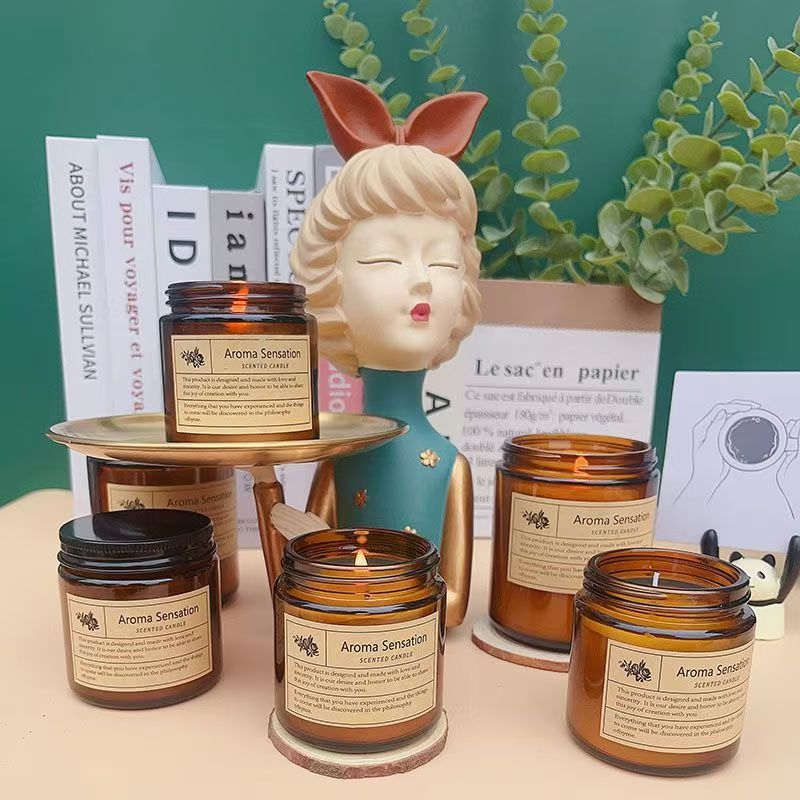
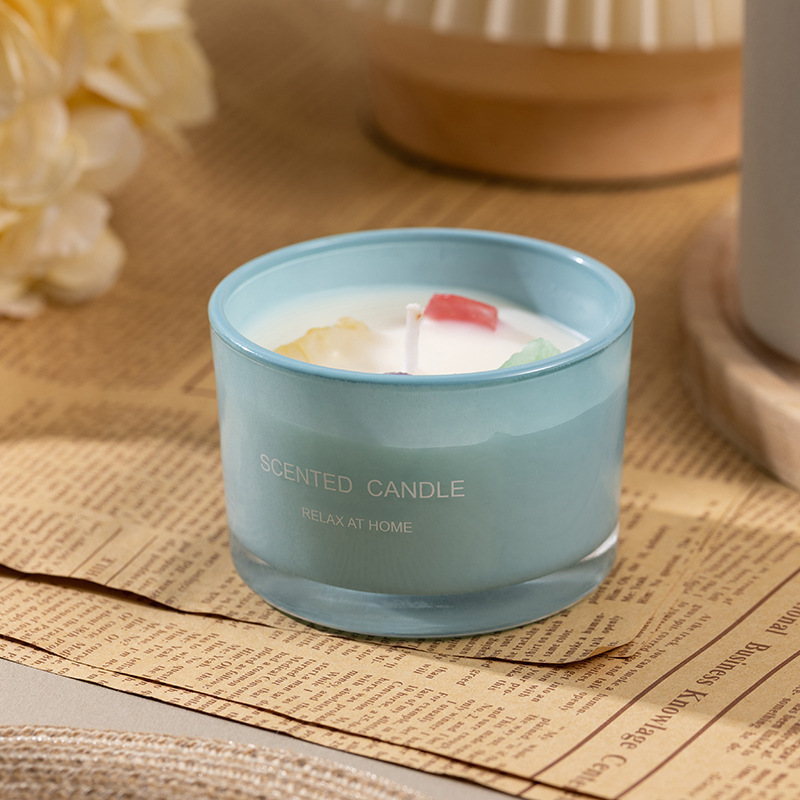
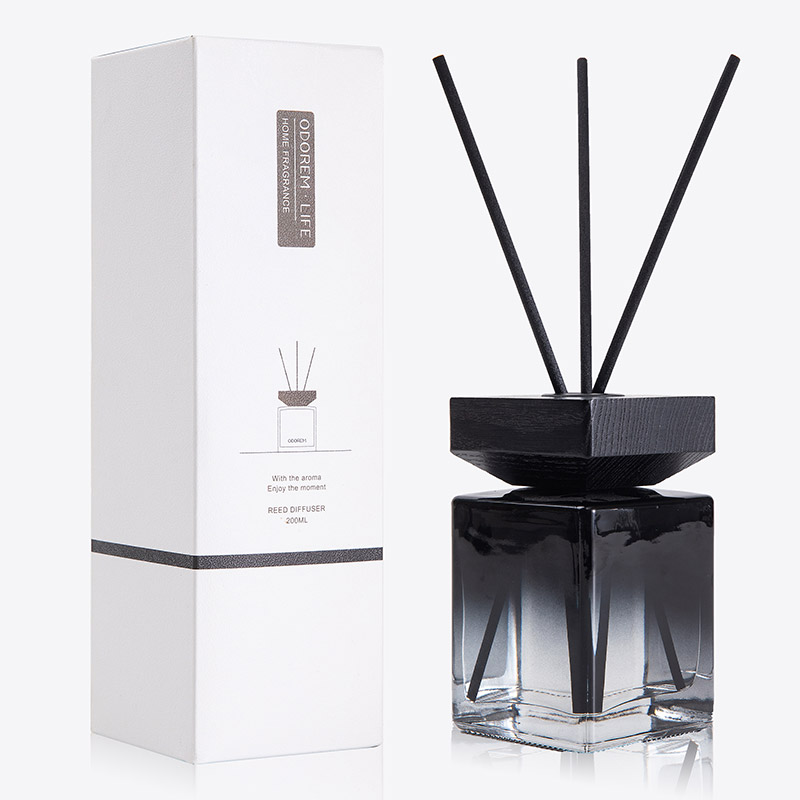
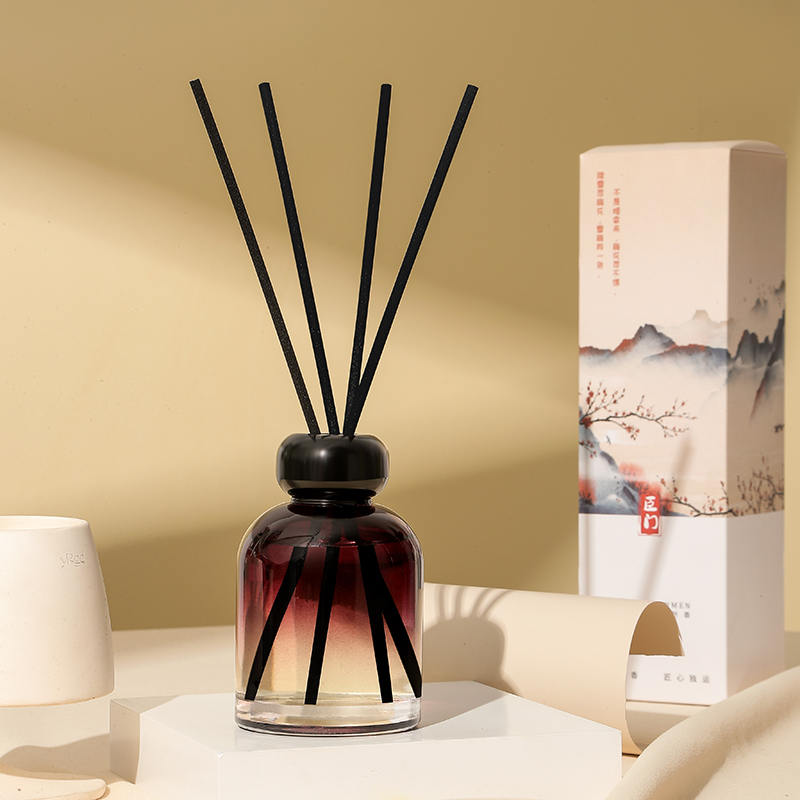
- Creating layered fragrance experiences when combined with candles or diffusers
For maximum effectiveness, hold the bottle upright and spray 1-2 mists in the center of the room for spaces up to 200 square feet. Larger areas or stubborn odors may require 3-6 spritzes directed toward corners where air circulation is limited.
Room Spray vs. Other Air Freshening Methods
| Feature | Room Spray | Plug-in Diffusers | Candles | Aerosol Cans |
|---|---|---|---|---|
| Activation Speed | Instant | 15-30 minutes | 10-20 minutes | Instant |
| Control Level | High | Low | Medium | Medium |
| Portability | Yes | No | Limited | Yes |
| Safety Profile | High (water-based) | Medium | Low (fire risk) | Low (VOCs) |
| Duration per Use | 1-3 hours | Continuous | 20-40 hours | 1-4 hours |
The data demonstrates that room sprays offer the best balance of immediate impact, user control, and safety compared to alternatives. While plug-in diffusers provide continuous fragrance, they lack the precision targeting that room sprays offer for specific occasions.
FAQ About Room Spray: Expert Answers
How often should I use room spray?
Usage frequency depends on room size, ventilation, and personal preference. For maintenance freshness, 1-2 applications per day are sufficient. High-traffic areas or spaces with persistent odors may benefit from 3-4 spritzes. Avoid over-spraying—a light mist is more effective than saturating the air, which can cause scent fatigue.
Is room spray safe for babies and pets?
Safety depends entirely on ingredient composition. Water-based formulations using natural essential oils are generally safe when used as directed. However, avoid sprays containing synthetic fragrances, phthalates, or aerosol propellants around infants and animals. Always spray away from faces, bedding, and food surfaces, and ensure adequate ventilation. Look for products specifically labeled as pet-friendly or dermatologist-tested for sensitive spaces.
Can room spray remove formaldehyde or purify air?
Standard room sprays cannot remove formaldehyde or chemically purify air. They function by masking odors with fragrance rather than eliminating pollutants. While some specialized sprays claim to neutralize specific chemicals through amino compound reactions, these are distinct from conventional room sprays and should not be relied upon as primary air purification methods. For genuine air quality concerns, combine ventilation with HEPA filtration and activated carbon systems.
What is the difference between room spray and linen spray?
The key distinction lies in formulation intensity and application surface. Room sprays are more concentrated and designed exclusively for air dispersion—they should never contact fabrics directly as they may stain. Linen sprays use gentler, fabric-safe formulations that can be applied directly to sheets, curtains, and clothing. If a product is labeled as "room and linen spray," it has been specifically formulated to be safe for both applications.
How long does room spray scent last?
Longevity varies by formulation quality and environmental factors. Essential oil-based sprays typically last 2-4 hours in enclosed spaces, while synthetic fragrances may persist for 1-3 hours. High-ceiling rooms, open windows, and HVAC systems reduce duration. To extend scent life, spray on porous surfaces like curtains or upholstery (if fabric-safe) rather than just air, as these materials hold fragrance longer.
Selecting the Right Room Spray for Your Needs
Choosing an effective room spray requires evaluating three key factors: ingredient transparency, scent profile, and intended function. Prioritize products that list specific essential oils rather than vague "fragrance" ingredients, as these indicate higher quality and fewer synthetic chemicals.
Match scents to functional goals: citrus and mint for energy and focus in workspaces; lavender and sandalwood for relaxation in bedrooms; eucalyptus and tea tree for purification in bathrooms. For households with sensitivities, select hypoallergenic, water-based formulations free from alcohol, which can irritate respiratory systems. Premium room sprays in the $15-30 range typically offer better longevity and safer ingredients than budget alternatives under $5.


 INTERACT WITH US
- Phone:+86-15888548612
- Tel:+86-0574-88408268
- E-mail:[email protected]
- Address:312 Kemao Road, Jishigang Town, Haishu District, Ningbo City, Zhejiang Province, China.



