
 English
 Español
 عربى

Macerate Perfume: Resting Times, Production Controls, and Home Fragrance Sourcing
Content
- 1 What It Means to Macerate Perfume in Real Production
- 2 Why Maceration Changes the Scent and What It Cannot Fix
- 3 How Long to Macerate Perfume and When to Stop
- 4 Macerate Perfume at Home vs. Controlled Factory Resting
- 5 Maceration and Resting Across Home Fragrance Formats
- 6 A Practical Maceration Workflow for Brand Owners
- 7 Storage, Packaging, and Quality Risks That Affect the Result
- 8 How Habest Supports Macerate Perfume and Home Fragrance Programs
- 9 Habest Pages for Product and Capability Review
- 10 FAQ: Macerate Perfume and Home Fragrance Questions
- 10.1 What does it mean to macerate perfume?
- 10.2 How long should I macerate perfume at home?
- 10.3 Can maceration make perfume last longer?
- 10.4 Why does my new perfume smell different after a few weeks?
- 10.5 Is maceration the same as maturation?
- 10.6 Do reed diffusers and candles need maceration?
- 10.7 How should a buyer verify maceration claims from a supplier?
- 11 Final Takeaway
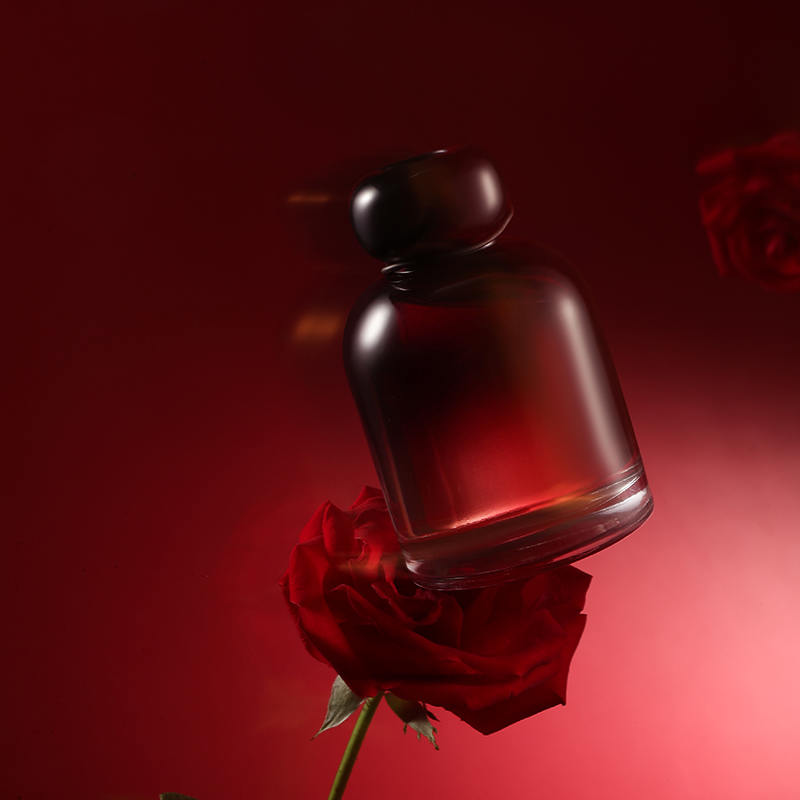
When a new fragrance sample arrives, the first sniff can be misleading. A perfume that smells sharp on day one may become rounder after several weeks, and a reed diffuser oil that seems weak in the lab can settle into a more balanced scent after a short resting period. To macerate perfume is not a trick or a marketing phrase; it is a controlled waiting step that gives volatile materials, carrier liquids, and fragrance oils time to settle before a product is judged, filled, or shipped.
The practical conclusion is simple: maceration only works when time is paired with stable temperature, clean containers, proper sealing, and written batch records. Without those controls, extra weeks can add cost and delay without improving the scent. For a home fragrance manufacturer, supplier, or wholesaler, the useful question is not only “how long should we wait?” but “what are we waiting for, and how do we prove the result?”
Key point: Maceration is a documented production step, not an open-ended rest period. Define the target scent profile, storage conditions, and release test before starting the clock.
What It Means to Macerate Perfume in Real Production
In perfumery, maceration usually refers to letting a blended fragrance rest in a sealed container so that fragrance oils, alcohol, and sometimes water can interact more fully. The mixture is not constantly stirred. It is kept away from direct sunlight and heat, then checked at planned intervals. In fine fragrance, the carrier is often ethanol; in home fragrance, the carrier may be a solvent, a diffuser base oil, or a wax system, so the term is used more loosely.
For buyers and brand owners, the useful distinction is between three related ideas. Maceration is the planned resting step. Maturation is the broader change that continues as the product ages. Oxidation is a chemical reaction with oxygen that can alter or damage a scent. Curing is the resting period used for candles, where wax structure and fragrance distribution settle after pouring. They overlap in practice, but they are not interchangeable.
A production team may macerate a perfume concentrate for several weeks before filling, while a reed diffuser oil may be aged for a shorter period to check clarity, color, and scent balance. A candle is usually cured after pouring, not macerated in the same way as an alcohol perfume. This matters when a retailer asks a supplier for “macerated” home fragrance: the supplier should explain which product type is being discussed and which test method supports the claim.
Clean glass or compatible plastic containers, low headspace, tight closures, and a dark storage area are basic requirements. Temperature is usually kept moderate, often around 15–20°C in controlled trials, though exact ranges depend on the formula. A warm room can speed some interactions, but it can also drive off volatile top notes, distort the blend, or create pressure in the container. Fast is not automatically better.
Key point: Maceration should be specified by product type. Alcohol perfume, reed diffuser oil, and candle wax each need their own resting window and release criteria.
Why Maceration Changes the Scent and What It Cannot Fix
Freshly blended perfume can smell sharp because top notes such as citrus, green, or aromatic materials are more volatile and reach the nose quickly. During resting, those materials begin to integrate with the heart and base notes. Alcohol-based blends may become smoother, and the balance between bright opening notes and deeper dry-down notes can feel more cohesive. Some formulas also lose a harsh “just mixed” edge after a few days or weeks.
Balance, clarity, and performance
Maceration can improve perceived smoothness and help a fragrance smell more unified. It may also support clarity in a diffuser oil if fine particles or temporary haze settle. It does not create longevity from a weak formula, replace a missing fixative, or make a poor-quality raw material acceptable. If a fragrance oil is underdosed, if the alcohol grade is wrong, or if the container is leaking, resting will not correct the root cause.
The difference between resting and oxidation
Some change over time is normal, especially for natural materials and vanilla-heavy blends. Oxidation can also change color and scent, but it is not a controlled benefit. A fragrance that darkens slightly in storage may still be within specification; a fragrance that turns sour, cloudy, or sharp after exposure to heat and air is a quality issue. That is why storage trials and sealed samples matter. Without a retained control sample, a team cannot tell whether a change came from planned maceration or from poor handling.
| Term | What happens | Typical control | Business risk if misunderstood |
|---|---|---|---|
| Maceration | Fragrance materials rest in a sealed carrier to integrate before filling or release. | Defined time, temperature range, container type, and scent check. | Delayed shipments or inconsistent batches if the window is not documented. |
| Maturation | Broader aging after blending, including changes that continue during storage. | Shelf-life study, retained samples, and periodic sensory review. | Claims that a product “improves with age” without evidence or limits. |
| Oxidation | Reaction with oxygen that can alter color, top notes, or overall odor. | Low headspace, sealed containers, antioxidants where appropriate, and light control. | Quality complaints when oxidation is mistaken for normal maceration. |
| Curing | Resting a poured candle so wax structure and fragrance distribution settle. | Controlled room temperature, batch records, and burn tests after curing. | Poor burn performance or uneven scent throw if candles are packed too soon. |
Key point: Maceration can improve integration, but it cannot rescue a weak formula, a contaminated batch, or a poorly sealed package.
How Long to Macerate Perfume and When to Stop
There is no universal calendar for maceration. A light eau de cologne, a rich eau de parfum, a reed diffuser base, and a soy wax candle do not behave the same way. The ranges below are practical starting points for trials, not fixed promises. A supplier should always confirm the window against its own formula, carrier, packaging, and target market.
When a team compares samples, it should use the same bottle type, fill volume, storage room, and evaluation method. Otherwise the test measures handling differences rather than maceration.
alcohol blend
concentrate
base oil
wax after pour
balm
The chart is most useful as a planning tool, not as a rule book. A fine fragrance with a high percentage of natural citrus may need a shorter check interval because the top notes can shift quickly. A diffuser oil with a heavy base note may need a longer settling period before clarity and scent balance are stable. A candle may look ready on the day after pouring, but a short cure often gives a more even burn and a more representative scent throw.
For a home fragrance manufacturer, the release decision should combine sensory review with physical checks. The color should match the approved standard, the liquid should be clear where clarity is required, the container should be clean, and the scent should match the reference sample at the agreed evaluation point. If a batch passes at day 10 but fails at day 30, the problem may be stability rather than maceration.
Stop when the product meets the release criteria, not when the calendar looks impressive. Extra resting time can tie up working capital, reduce available capacity, and delay reorders. In a private-label program, a clear 7-day, 14-day, or 28-day hold can be easier to manage than an open instruction such as “rest until ready.”
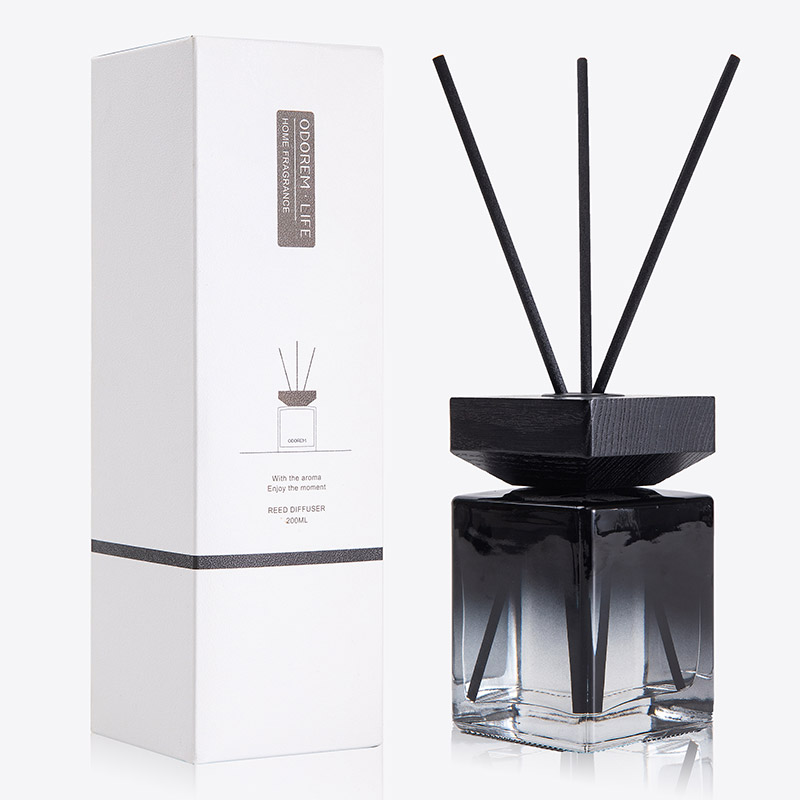
 180ml Fireless Reed Diffuser for Household SpacesA 180ml flame-free reed diffuser with multiple scent options, relevant when setting a release window and checking final-package scent.View Product →
Key point: Set a release window that matches the product type, then verify it with a retained control sample and a written sensory check.
Macerate Perfume at Home vs. Controlled Factory Resting
Home experimentation is common because fragrance users want a new bottle to smell smoother or last longer. The basic method is straightforward: keep the bottle sealed, store it in a dark place at a moderate temperature, and check it every week or two. Do not open the bottle repeatedly, do not place it near a radiator, and do not add water or other materials unless the formula is designed for it. More handling usually means more contamination risk.
What a home user can reasonably do
A home user can allow an alcohol perfume to rest after first use, keep the cap tight, and avoid storing it in a bathroom with high humidity. Some people spray a few times to introduce air and then let the bottle sit. That practice is debated because oxidation is not the same as controlled maceration. A safer approach is to keep a small control sample untouched, compare it with the rested bottle, and judge by scent rather than by hearsay.
What a factory must control
A factory cannot rely on a dark shelf alone. It needs batch records, approved raw materials, calibrated weighing, controlled mixing, defined fill volumes, and a storage area that does not swing between hot and cold. If alcohol is used, it must be handled as a flammable material with proper ventilation and grounding. Containers must be compatible with the formula, and closures must pass leak checks before shipping.
This is where the difference between a casual home test and an ODM/OEM program becomes clear. A brand may ask a supplier to “macerate longer,” but the real request is usually for better scent balance, fewer complaints, or more consistent first impressions. The supplier should translate that request into a process specification: resting days, temperature range, tank or bottle type, sampling point, and acceptance criteria.
Key point: Home maceration is a small-scale experiment. Factory maceration is a controlled process with records, tolerances, and release tests.
Maceration and Resting Across Home Fragrance Formats
Perfume is only one part of the fragrance category. Many buyers source reed diffusers, scented candles, solid fragrance, and related home fragrance items from the same supplier. The resting logic changes with the format, so product development should not copy a perfume timeline into every SKU.
Reed diffuser oils
Reed diffuser oils are designed to release scent through capillary action and evaporation. After blending, a short resting period can help the oil look clear and smell more uniform. The supplier should check compatibility with the bottle, the reed material, and the target room size. A diffuser oil that is too heavy may clog reeds; one that is too light may fade quickly. A rest period is not a substitute for a properly balanced diffuser base.
For hotel, bedroom, and household programs, the evaluation should include the filled bottle with reeds in place, not only the oil in a beaker. The scent intensity at day 3, day 7, and day 14 in the final package is more useful than a single lab sniff. This is also where packaging choices such as bottle opening size and reed count affect the result.
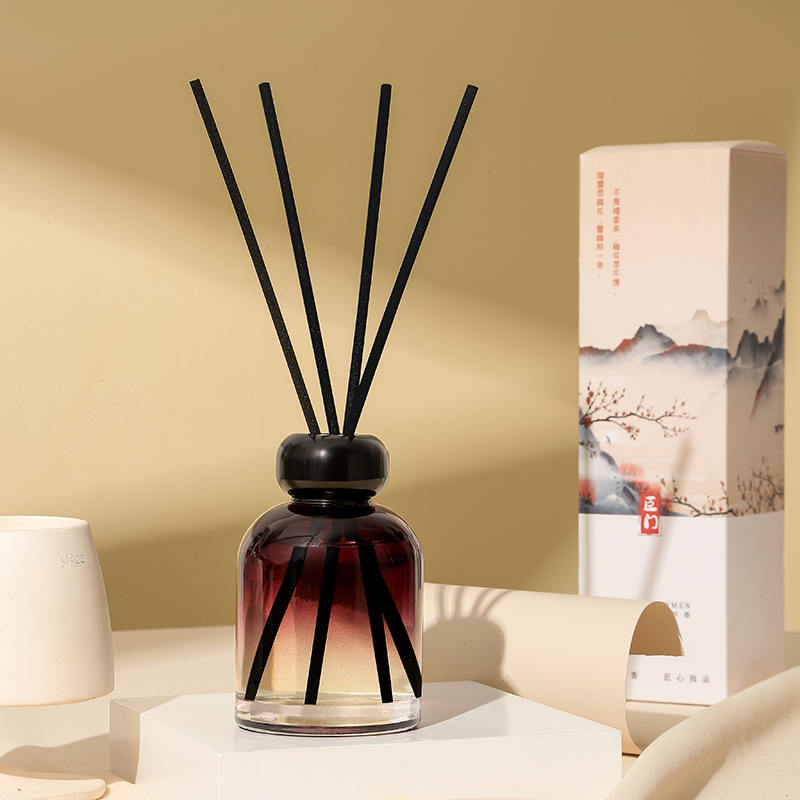
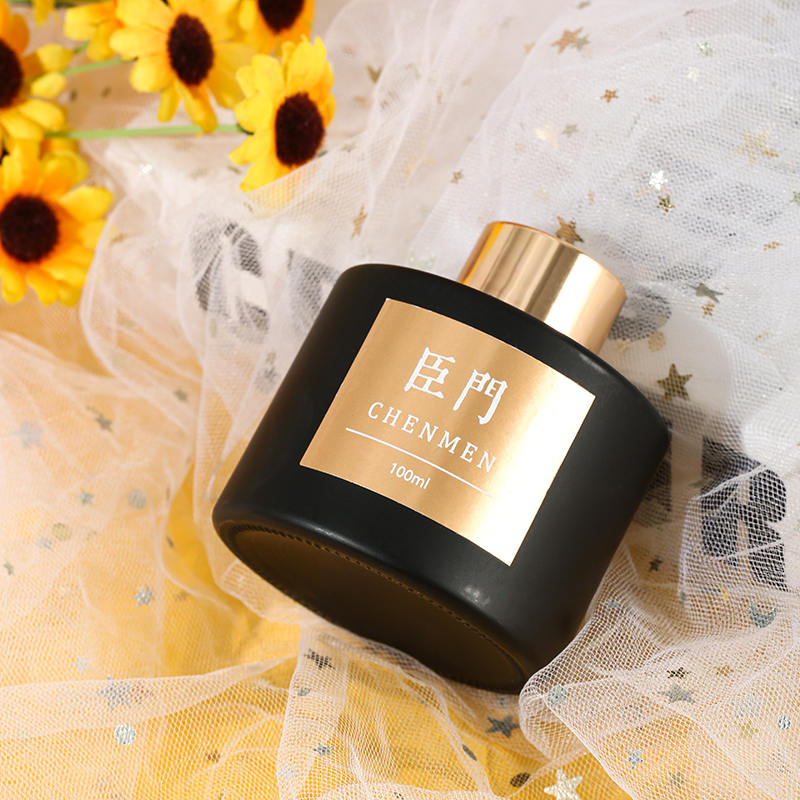 100ml Dried Flower Hotel Reed DiffuserA 100ml flame-free reed diffuser with dried-flower decoration and adjustable reeds, suited to final-package scent checks over time.View Product →
Scented candles
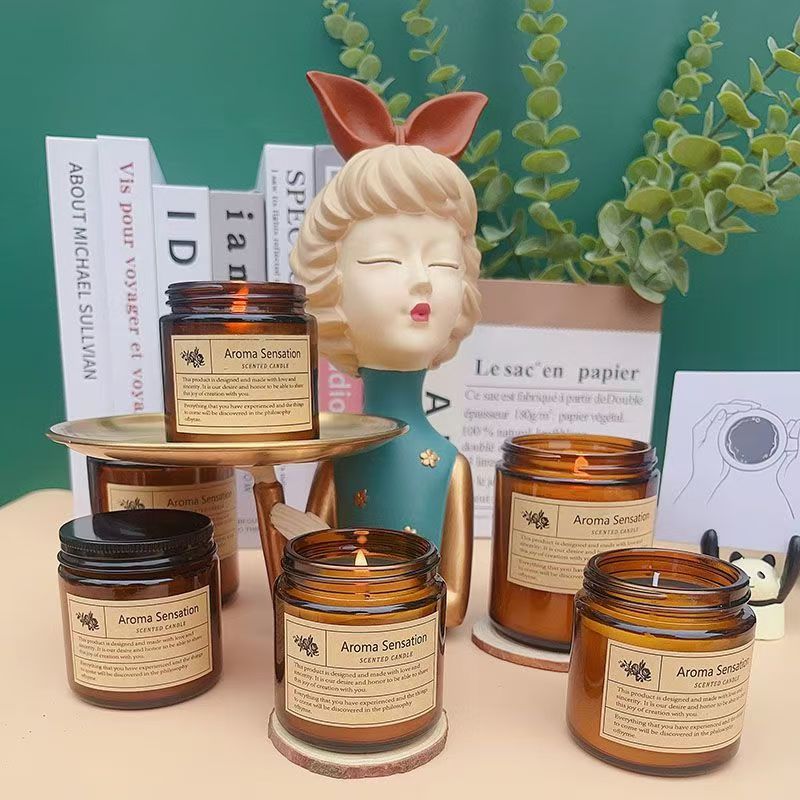
Candles are usually cured after pouring rather than macerated like an alcohol perfume. During curing, the wax structure stabilizes and fragrance can distribute more evenly through the wax. Soy wax blends often benefit from a short cure before burn testing. If a candle is packed immediately after pouring, the first burn test may not represent the product that reaches the customer.
A candle program should link curing to burn performance: melt pool size, wick trimming, soot level, scent throw, and container temperature. The cure time should be recorded by batch. If a buyer changes wax, fragrance load, wick, or jar, the cure window and burn test should be reviewed again.
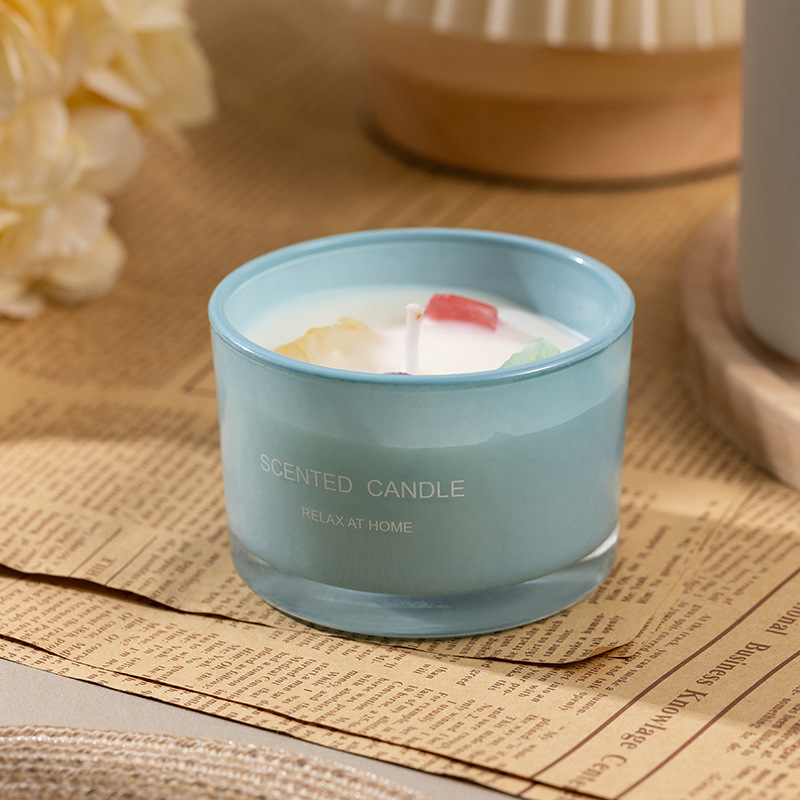
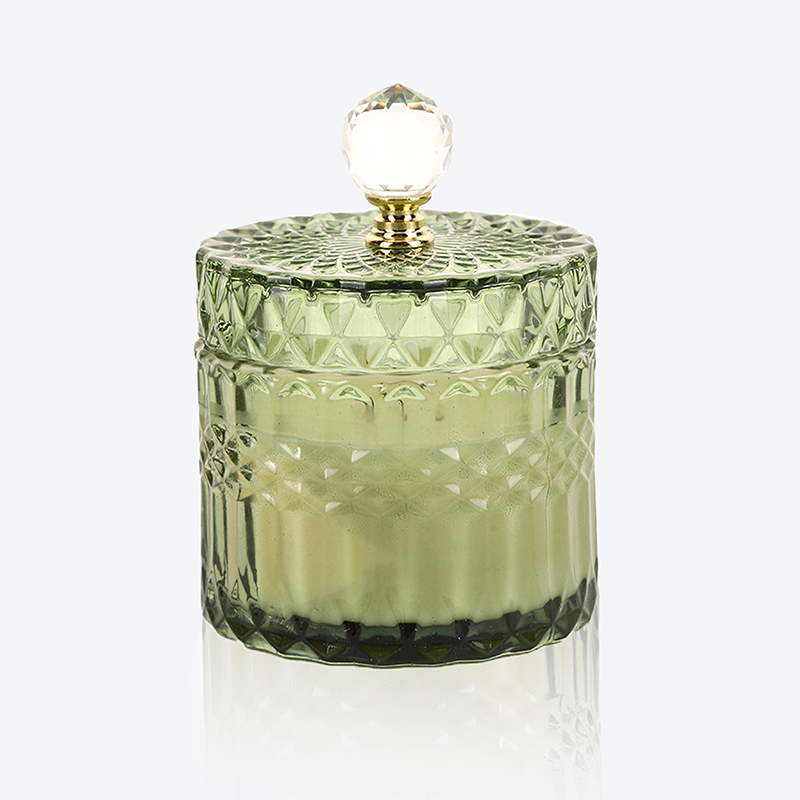 L5200B Organic Soy Wax Scented Candle in Glass JarA glass-jar candle made with organic soy wax and essential-oil fragrance blends, relevant when linking cure time to burn performance.View Product →
Solid fragrance and other formats
Solid fragrance, aroma beads, and sachets have different release mechanisms. They may need a short conditioning period after mixing or filling, but the main risks are usually moisture, packaging compatibility, and even distribution of fragrance. For all formats, the supplier should define what “ready” means in the final package, not only in bulk.
Key point: Reed diffuser oil, candle wax, and solid fragrance each have their own resting logic. Test the final package, not only the bulk liquid or wax.
A Practical Maceration Workflow for Brand Owners
A brand does not need a complicated system to start, but it does need a repeatable one. The workflow below is suitable for a private-label or ODM program where the buyer needs clear approval points and the factory needs a production-ready brief.
- Write the brief in product terms. State the format, target market, scent family, fill size, container, and expected scent intensity. Avoid vague requests such as “make it long lasting” without a test method.
- Approve a pilot batch. Keep a control sample before resting. Record the batch code, raw material lots, mix time, fill volume, and storage location.
- Set the resting window. Use a range such as 7–14 days for a diffuser oil trial or 2–4 weeks for a perfume concentrate, then adjust based on sensory results.
- Control the storage area. Keep samples away from sunlight, heat, strong odors, and vibration. Use sealed containers with low headspace.
- Run sensory and physical checks. Compare against the control at planned intervals. Check color, clarity, odor balance, and package compatibility.
- Release to filling only after approval. If the batch is filled before approval, a failed result can create rework, wasted components, and late delivery.
- Keep a retained sample. Store it under the same conditions as the shipped product so future complaints can be compared with a known reference.
For a wholesaler or retail buyer, ask for the release record rather than a verbal promise. A supplier that can show a batch record, a control sample, and a simple sensory checklist is easier to audit than one that only says “we let it sit.” This is especially important when the same scent is sold in different formats, because a perfume, reed diffuser, and candle may need different resting rules even when they share a fragrance name.
Key point: A usable maceration workflow has a control sample, a defined window, a storage record, and a release decision. Without those four elements, the process is hard to repeat.
Storage, Packaging, and Quality Risks That Affect the Result
Maceration is only as good as the storage around it. A well-blended perfume can turn dull in a hot warehouse, and a clean diffuser oil can pick up odors from a poorly sealed container. The risks are practical, not theoretical, and they often appear as complaints about “weak scent” or “different smell” after a container has traveled through several climates.
| Risk | Possible effect | Practical control | What to record |
|---|---|---|---|
| High temperature | Top notes may fade; containers may build pressure. | Keep storage moderate, away from direct sun and heating equipment. | Room temperature log and storage location. |
| Light exposure | Color shift and scent change in some formulas. | Use opaque or amber containers where suitable; store in closed cartons. | Container type and light exposure check. |
| Poor seal | Leakage, oxidation, and loss of volatile notes. | Leak test before packing; verify closure torque and liner compatibility. | Closure lot, torque setting, and leak test result. |
| Large headspace | More air contact and faster change in partially filled containers. | Use appropriate fill volume and avoid long storage in half-empty tanks. | Fill weight and tank or bottle size. |
| Cross-contamination | Unwanted odor or haze from shared equipment. | Clean mixing and filling lines between scents; separate strong materials. | Cleaning record and line clearance check. |
A factory that serves international retailers also needs to consider shipping conditions. A product that is stable in the factory may sit in a container, a distribution center, and a retail backroom before it reaches the shelf. If the formula is sensitive to heat, the supplier should discuss packaging and transport limits with the buyer during development, not after the first complaint.
Key point: Resting time is wasted if the product is stored or packed badly. Seal, light, temperature, and headspace belong in the same specification as the maceration window.
How Habest Supports Macerate Perfume and Home Fragrance Programs
Ningbo Habest Home Co., Ltd. works as an ODM/OEM home fragrance manufacturer and supplier for international buyers. The company was established in 2012 and operates a 6,500 square meter factory with five production lines. Its product range includes reed diffusers, scented candles, solid fragrance, aroma beads, and related home fragrance items. For buyers who need a supplier that can handle multiple formats, this range can reduce the number of vendors involved in a program.
Habest describes its approach as “Trust comes from quality” and emphasizes control from development and raw materials through manufacturing, inspection, warehousing, and transport. The company holds BSCI and WCA factory certifications, which are relevant for retail buyers that require social compliance and workplace condition audits. These certifications do not replace product testing, but they help support the supplier review process.
For a buyer comparing suppliers, useful questions include: Can the factory document a resting or curing step? Does it keep control samples? Can it test the product in the final package? Does it understand the difference between perfume maceration, candle curing, and diffuser oil settling? A supplier that can answer these questions clearly is easier to work with than one that treats every fragrance product as the same.
The company’s position as a manufacturer also matters for wholesalers and private-label programs. A wholesaler may need several SKUs in similar bottles, while a brand may need a specific scent direction, closure, and gift box. Clear resting rules help keep those variations under control, especially when the same fragrance oil is used across a diffuser and a candle.
Key point: Choose a home fragrance manufacturer that can explain its resting, curing, and release controls in product-specific terms.
Habest Pages for Product and Capability Review
Buyers who want to compare formats can review the relevant product lines before requesting samples. The two pages below are a practical starting point for a sourcing discussion.
Reed diffuser manufacturing covers flameless home fragrance options in multiple bottle styles and sizes.
Scented candle production covers soy wax candles and decorative candle formats for retail and private-label programs.
Use these pages as a reference for format, not as a substitute for a project brief. A sample request should still state the scent family, fill size, container direction, target market, and expected resting or curing window.
Key point: Product pages help narrow the format; the sample brief and release standard decide whether the fragrance performs as intended.
FAQ: Macerate Perfume and Home Fragrance Questions
What does it mean to macerate perfume?
To macerate perfume means to let a freshly blended fragrance rest in a sealed container so the materials can settle and integrate. It is usually done away from light and heat, then checked against a control sample before filling or release.
How long should I macerate perfume at home?
A common starting point is two to four weeks for an alcohol-based perfume, but the right window depends on the formula. Check every week, keep the bottle sealed, and avoid heat or direct sunlight. If the scent does not improve after a reasonable trial, more waiting may not help.
Can maceration make perfume last longer?
Maceration may improve smoothness and balance, but it does not reliably turn a short-lasting formula into a long-lasting one. Longevity depends mainly on the fragrance concentration, raw materials, skin chemistry, and application method. A weak formula needs reformulation, not just more resting time.
Why does my new perfume smell different after a few weeks?
Some change is normal as volatile top notes settle and the blend integrates. Oxidation, heat, and light can also change a fragrance, so the direction of change matters. A smoother, more unified scent is different from a sour, cloudy, or sharply altered one.
Is maceration the same as maturation?
No. Maceration is a planned resting step before release. Maturation is the broader aging process that continues during storage. In practice, the two overlap, but a supplier should still define which test supports which claim.
Do reed diffusers and candles need maceration?
Reed diffuser oils may benefit from a short settling period, and candles usually need curing after pouring. These steps are related to maceration but not identical. The final package, reed set, wick, and wax system should be tested together.
How should a buyer verify maceration claims from a supplier?
Ask for the product-specific resting or curing window, storage conditions, control sample practice, and release criteria. A clear supplier can show a batch record and explain how it checks scent, clarity, color, and package compatibility. Vague claims are hard to audit.
Key point: The strongest maceration claim is a documented process with a control sample and a defined release standard.
Final Takeaway
Macerating perfume is useful when it is treated as a controlled step with a clear purpose. A home user can rest a bottle in a cool, dark place and judge the result by scent. A brand or retailer needs more: a product-specific window, a stable storage area, a retained control sample, and a release decision that covers the final package.
The same discipline carries into reed diffusers and candles, where settling and curing affect how the product smells and performs. For buyers working with a home fragrance manufacturer, supplier, or wholesaler, the practical advantage is consistency. A factory that can document these steps is better placed to support repeat orders, private-label launches, and international retail requirements.
Key point: Macerate perfume with time, temperature, packaging, and records in view. The goal is not a longer calendar; it is a more predictable fragrance result.


 INTERACT WITH US
- Phone:+86-15888548612
- Tel:+86-0574-88408268
- E-mail:[email protected]
- Address:312 Kemao Road, Jishigang Town, Haishu District, Ningbo City, Zhejiang Province, China.


